
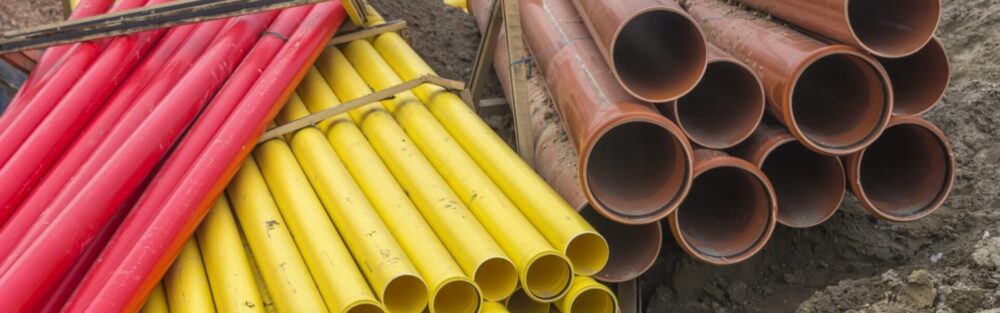
According to Plastics Europe, the European construction sector consumes around 10 million metric tons of plastics every year. This corresponds to roughly 20% of total European plastics consumption. A large share of these materials remains embedded in buildings and infrastructure for decades. This creates a particular timeline for the circular economy: many years can pass between production, installation, and deconstruction. During this time, technical standards, regulatory requirements, and recovery options can change.
Durability alone does not make a construction product circular. At the end of its service life, it must first be identified during deconstruction as a product or material that can be recovered, separated wherever possible, and directed to a suitable recovery pathway. Success depends on product design, available material information, and recovery structures.
Where circular systems in construction reach their limits
Despite sustainability efforts, circular systems in the construction sector face notable limitations. Components and materials often cannot be separated without damage, material composition and ingredients are not sufficiently documented, and aging or contamination makes high-quality recovery more difficult. Furthermore, earlier product generations do not always meet current requirements, and separate collection pathways are frequently lacking.
“Many years can pass between production, installation, and deconstruction. During this time, technical standards, regulatory requirements, and recovery options can change.”
Designing for circularity from the start
Plastic mesh, profiles, and fastening elements are used widely across construction. Product design and material combinations heavily influence how easily components can be separated later. Material selection, product design, and joining techniques affect whether components can be disassembled into clean individual material streams. Permanent adhesives or complex material composites can limit these options, bringing durability, repairability, and ease of disassembly into sharp focus.
Keeping materials traceable for decades
After many years of use, product documentation may vanish or detailed composition info may be lost. To bridge this gap, digital product information such as digital product passports proposed under the new EU Construction Products Regulation will ensure product-related data remains accessible to support future reuse and recovery. However, physical return and recovery structures remain equally vital to close the loop.